Biz Woven
business and finance

Cash vs. Accrual Accounting
When you are running a small business, accounting is not just “for taxes.” It shapes what you believe is happening in your business. Are you profitable this month or just busy? Can you afford to hire, restock, or take an owner’s draw without sweating payroll two weeks from now? The cash basis and...
Read more →
How to Calculate Owner’s Draw for an LLC
If you own an LLC, “paying yourself” is rarely as simple as picking a salary number. Most LLC owners use an owner’s draw , which is more like taking money out of the business bank account than running payroll. The catch is that a draw is not automatically “safe” just because your Profit & Loss...
Read more →
How to Read a Cash Flow Statement
If you have ever looked at your profit and loss statement and thought, “Okay, we’re profitable, so why does my bank balance feel tight?”, the cash flow statement is the missing bridge. It explains where cash actually came from and where it actually went during a period, regardless of when you...
Read more →
Accounts Payable vs. Accounts Receivable
Accounts payable and accounts receivable sound like textbook terms, but in real life they come down to one thing: timing . Accounts payable (AP) is money you owe other people. Accounts receivable (AR) is money other people owe you. If you run a business, understanding the difference is one of the...
Read more →How to Calculate Gross Profit Margin
Gross profit margin is one of the quickest ways to understand how efficiently a business turns sales into gross profit (before operating expenses). It shows what percentage of revenue is left after covering the direct costs of producing goods or delivering services. ## What gross profit margin...
Read more →
Roth IRA Five-Year Rule: When Withdrawals Are Tax-Free
The Roth IRA is famous for tax-free growth. The catch is that the IRS has timing rules, and the big one is what people loosely call the “five-year rule.” In real life, there are multiple five-year clocks depending on what kind of Roth money you are withdrawing: regular contributions, investment...
Read more →
Mortgage Points: When Buying Down Your Rate Pays Off
Mortgage points can feel like one of those “grown-up finance” choices you are expected to understand instantly. Pay extra upfront, get a lower rate for the life of the loan, move on. But the truth is more nuanced. Points can be a fantastic deal in the right situation and a costly distraction in the...
Read more →
Accounts Receivable Aging Report Explained
If you have ever looked at your bank balance and thought, “But we have plenty of sales,” you have already met the problem an accounts receivable (A/R) aging report is designed to solve. Revenue is great, but revenue you cannot collect on time does not pay payroll, rent, inventory, or taxes. An A/R...
Read more →Cash Conversion Cycle Explained
The cash conversion cycle (CCC) measures how long it takes a business to turn cash it spends on operations into cash it collects from customers. It tracks the time between paying suppliers (or paying for inventory and labor) and getting paid for sales. A shorter CCC generally means a company...
Read more →Profit and Loss Statement Explained
A profit and loss (P&L) statement, also called an income statement, shows how much money a business made and spent over a specific period. It summarizes revenue, costs, and expenses, and ends with net profit or net loss. Unlike a balance sheet, which is a snapshot at a point in time, a P&L covers a...
Read more →
13-Week Cash Flow Forecast for Small Business Owners
A 13-week cash flow forecast is one of those unglamorous tools that quietly keeps small businesses alive. It does not replace your P&L or your annual budget. It answers a more urgent question: Will you have enough cash to make it through the next three months? without scrambling, delaying payroll,...
Read more →
How to Calculate DSCR for a Business Loan
If you have ever had a lender ask for your DSCR and felt like you were being quizzed in a language you did not sign up to learn, you are not alone. DSCR stands for Debt Service Coverage Ratio , and it is one of the simplest ways a bank answers a very human question: Will this business reliably...
Read more →
SBA 7(a) Loan vs 504 Loan: Which Fits Your Business Plan?
If you are weighing SBA financing, you are probably trying to solve one of two problems: you either need flexible cash to run and grow the business, or you need a long-term, stable way to buy big-ticket assets like a building or heavy equipment. That is the cleanest way to think about the two major...
Read more →
Education Loan Refinance: When It Makes Sense and How to Do It
Refinancing an education loan can feel like finding a lighter backpack after years of carrying extra weight. Done well, it can lower your interest rate, simplify your payments, and free up cash for goals that matter now, like buying a home, hiring your first employee, or finally maxing out your...
Read more →
When to Refinance Your Mortgage
Refinancing a mortgage is one of those money moves that sounds simple on paper: swap your current home loan for a new one with better terms. In real life, it is a cost-benefit decision wrapped in timing, fees, and your future plans. I grew up around a family business where every loan decision had...
Read more →
Long-Term Care Insurance: Costs, Coverage Types, and When It Makes Sense
Long-term care is one of those topics that feels easy to postpone until it suddenly is not. And unlike most healthcare costs, long-term care is often about help with daily living , not a hospital stay. Think: someone to help you bathe safely, manage medications, or get from the bed to a chair....
Read more →
Business Line of Credit vs Short-Term Loan: Which Is Cheaper for Cash Flow Gaps?
Cash flow gaps are not automatically a sign your business is failing. In many cases, they are a timing problem: payroll hits on Friday, a major client pays on net-45, inventory arrives late, or your busy season ends before your bills do. That said, chronic cash shortfalls can signal something...
Read more →
Recession-Resistant Business Budget
If you have ever tried to “tighten the belt” in your business, you already know the trap: you cut a few things quickly, the numbers look better for a month, and then growth slows enough that you are right back in panic mode. A recession-resistant budget is different. It is not a one-time cost...
Read more →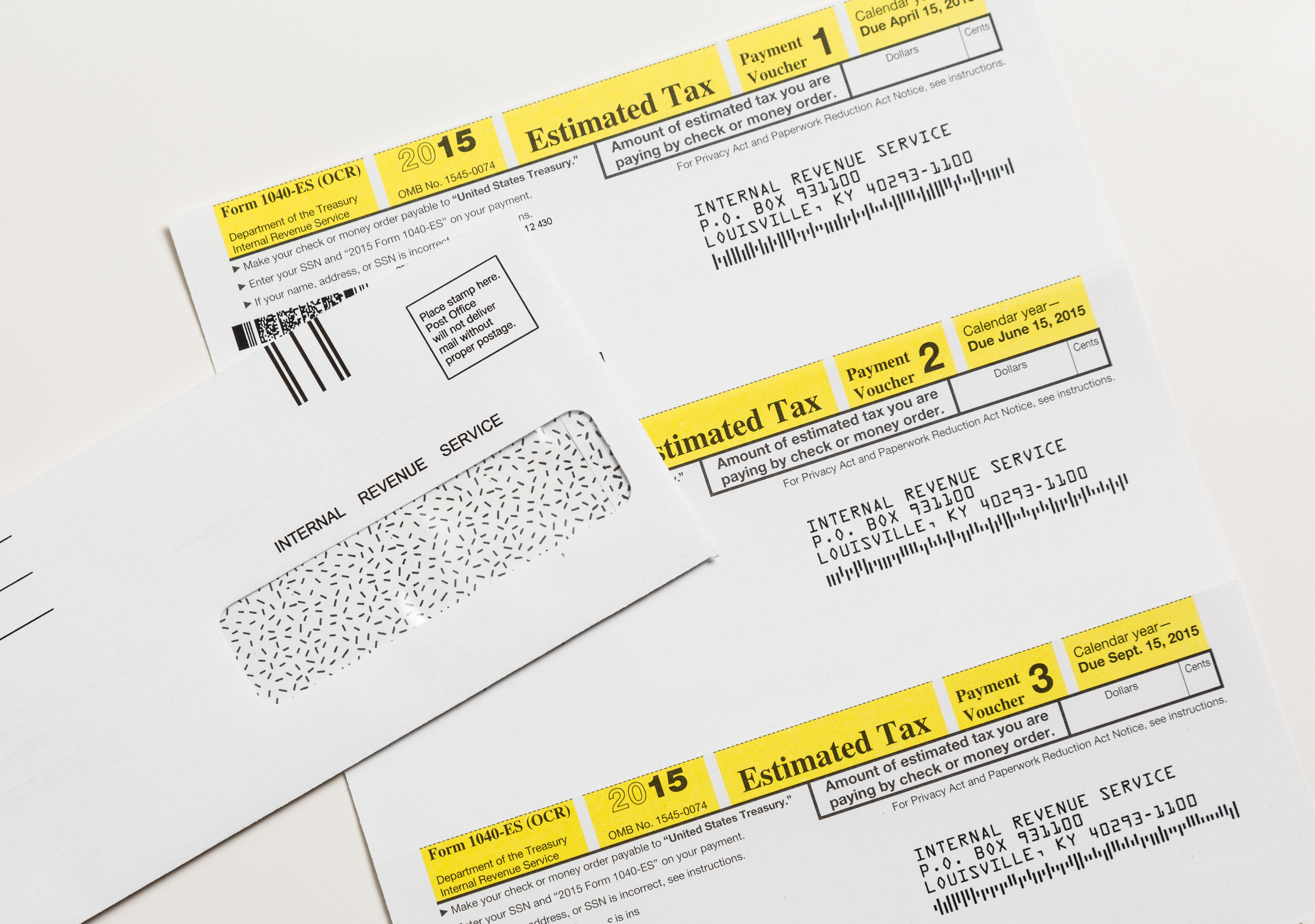
Quarterly Estimated Taxes for Freelancers and Small Business Owners
If you are freelancing, consulting, running a side business, or operating a single-member LLC, you are probably familiar with the moment: you realize nobody is withholding taxes from your checks, and April suddenly feels a little too close. Quarterly estimated taxes are the IRS’s way of collecting...
Read more →
1099 Contractor vs W-2 Employee
When you are trying to grow a small business, hiring often starts as a simple question: Do I pay this person as a 1099 contractor or put them on payroll as a W-2 employee? I have watched founders make this call under pressure, usually while juggling cash flow, deadlines, and the very human desire...
Read more →